My father used to tell this story, when he and my mother were first married, he worked near enough to their flat to come home for lunch. In those days however, my mother hadn’t perfected her later legendary cooking skills and one time she served up a Gazpacho tomato soup where she’d clearly got the olive oil : tomato ratio all to cock, and my father, not wanting to let on, scooped his way through the entire oil slick (ironic considering he worked for BP) and ate the lot. Love for them was anything but blind, right to the very end they held hands. Slight digression here… for my Holy Communion lunch I got to choose my menu. Duck a l’orange, please. My mother left the knife inside that she’d used to shove the oranges up its arse, and my father later bent the best carving knife trying to cut it into quarters.
Right, back to the story in hand, post my last long-term relationship, we hit Covid and lockdown, followed by a couple of house moves, job change and one international move. Dating has been far from a priority or even a consideration while I had so many other major events going on. However, more recently and spurred on by one of my old BC pals, who has just got divorced and in need of a virtual wingwoman, she persuaded me back into the swiping left or right game.
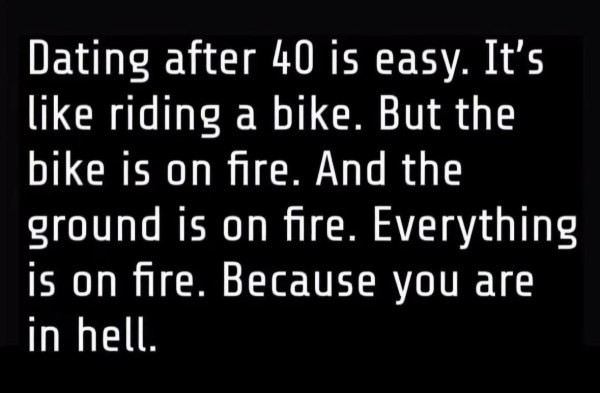
Now let me tell you, things are as biblically bad out there as they say. Ghosting, pics of trouser snakes and all levels or horrors and laughs in-between, abound with prolific and often a total lack of thought, intention, or anything else bar a behaviour, even their own mothers (Dick a l’orange aside – pun intended) would cease to love them for. Some time last year, I’d agreed to meet someone for a coffee, next morning his profile vaporised without so much as a ‘a dopo’ (see you later). That was one wtaf moment. Then, I’ve had attempts to grope me in bars, offers for ‘arrangements’, asked for money, can they swap immediately to WhatsApp… don’t fall for this bollocks, plus the usual trouser contents photos, and the one when he turned up and he’d clearly used someone else’s photo on his profile. I mean come on lads what’s occurring?
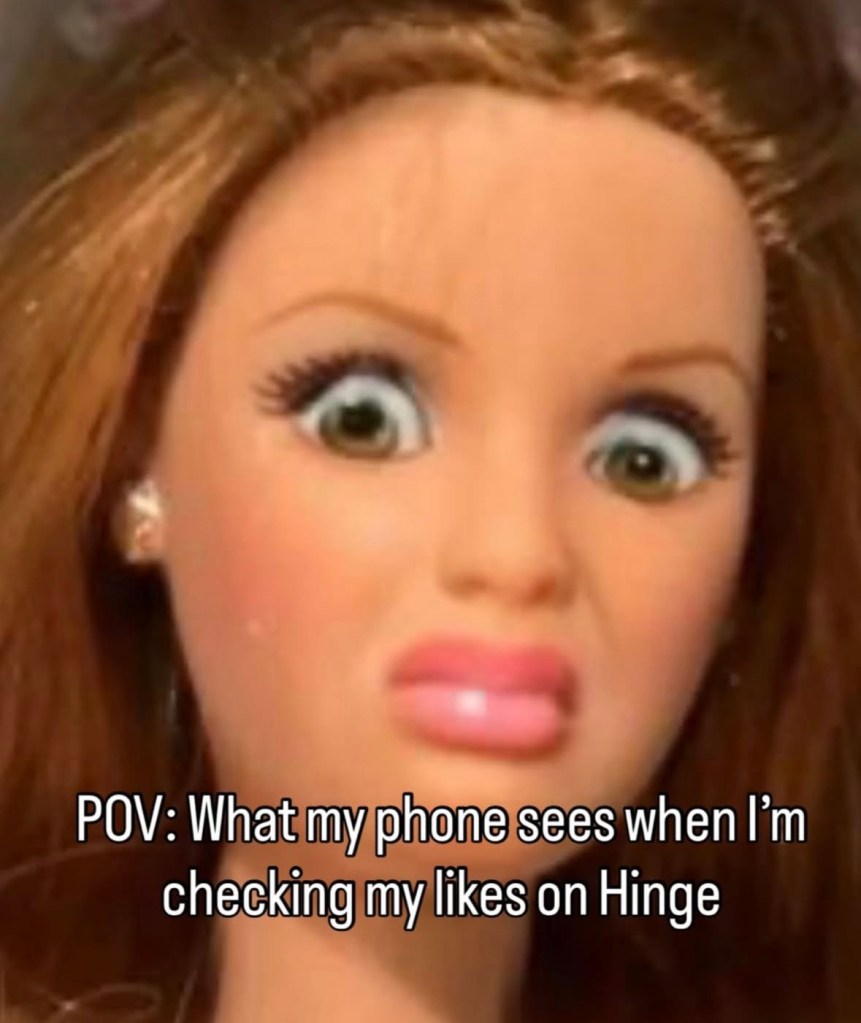
I remain convinced that many of them are just sitting at home in their eggy beer stained pyjamas, not wanting anymore than someone to message, and they have little or no intention of anything real.
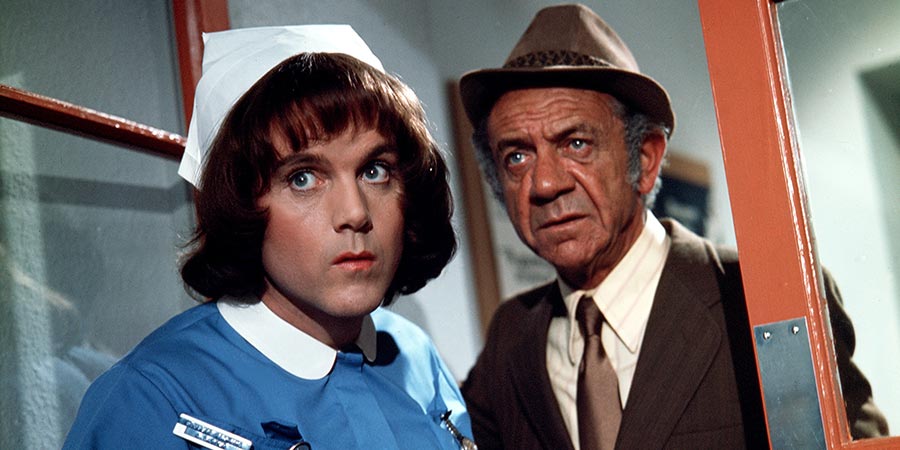
But always on the side of humour my pal, who lives in the UK and I started exchanging some of our more hilarious experiences. And we’re not talking the ubiquitous chaps holding a fish, beer or sat on their motorbike, or the one with their most recent ex, badly cropped out. I mean some utterly jaw dropping funnies, full on, what on earth were they thinking? There was even a profile pic I saw of a normal looking man with his dog taking a dump on the grass behind him. What happened to checking your selfie before uploading?
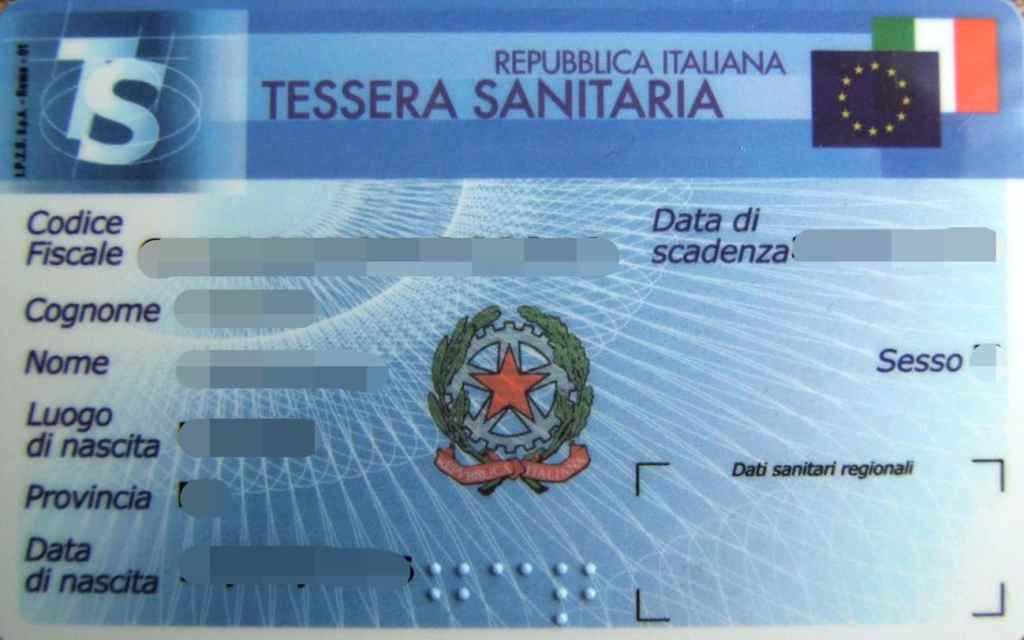
To the ‘gentleman’ who posted this profile, I hope you’ve found your worth.
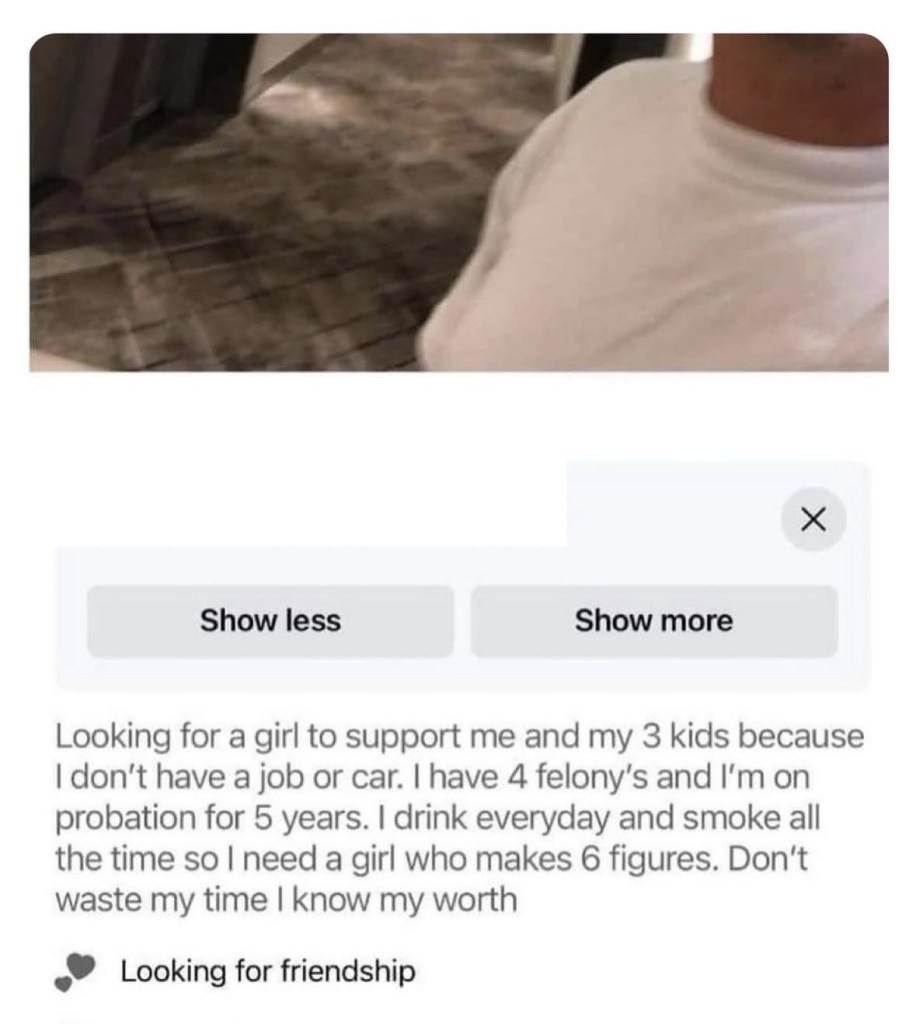
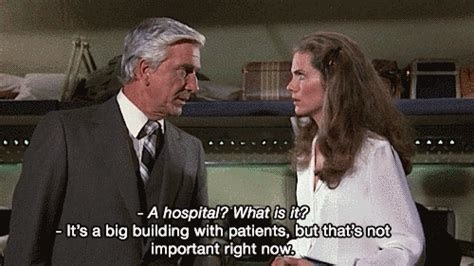
However this one remains my outstanding favourite and full marks for originality.
(zero fish involved)
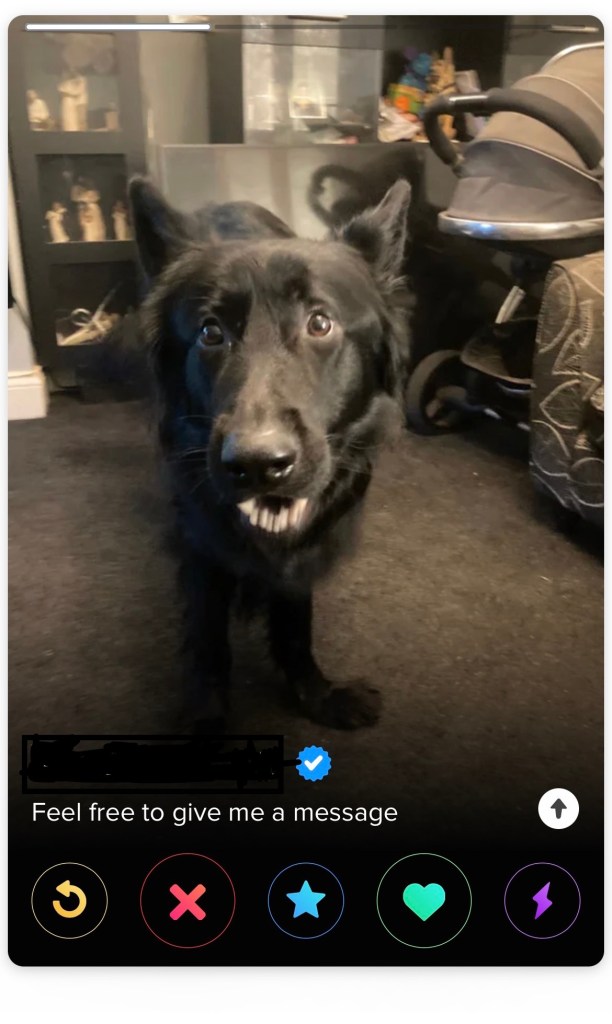
I still have the belief that someone lovely, without being a cardholding member of the Utter Bell-End Club, will come along and be my person. Stay optimistic people.
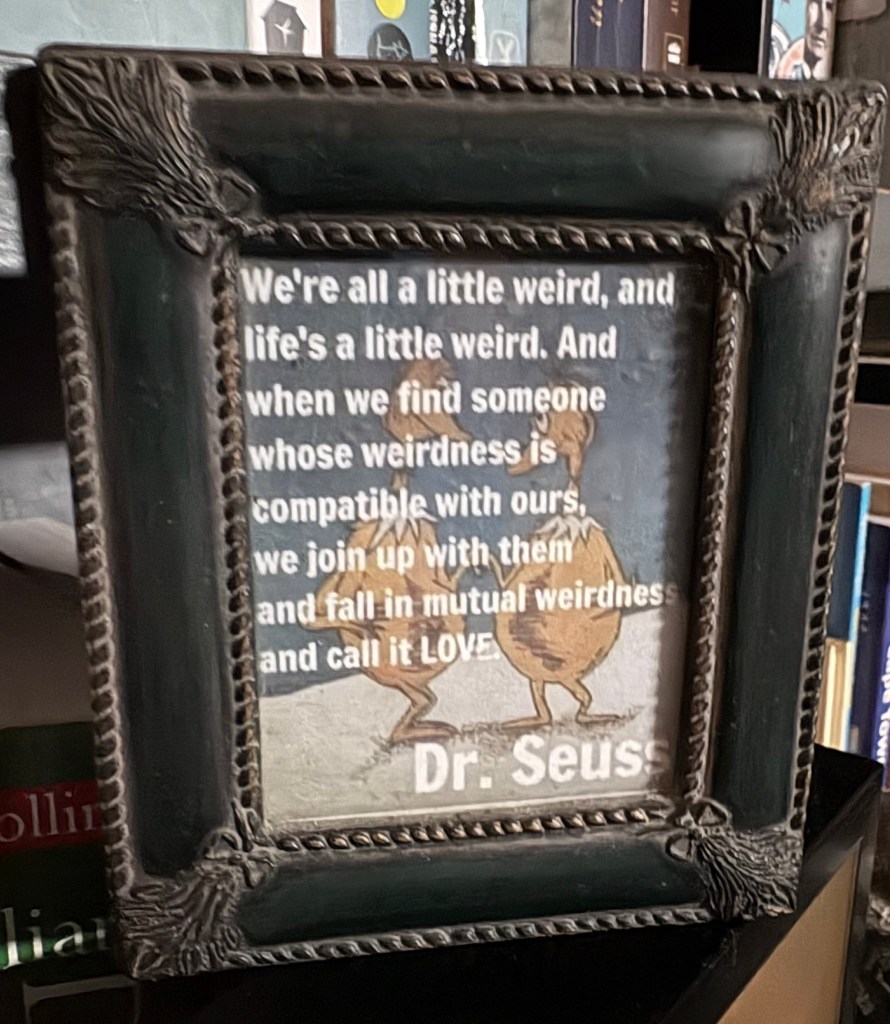
A little quote I love from the Dr.
There’s no sign of life
It’s just the power to charm
I’m lying in the rain
But I never wave bye-bye
But I try
I try
Lyrics by: David Bowie
If you need a summary of what life on dating apps is like, have a look at this gem from Drew Barrymore….
https://youtu.be/zdzw6-W9gYY?si=WTT4i_Lhwsid00uK
Follow me at: @write.upmystreet














 Write Up My Street